-
 The insurance industry is changing—fast. Online insurance sales are growing, and in ten years, the way you market and sell your insurance products is likely to have changed drastically. The only thing we can say for sure, however, is that no one knows exactly how the industry will change—or what your business will look like in ten years.
 -
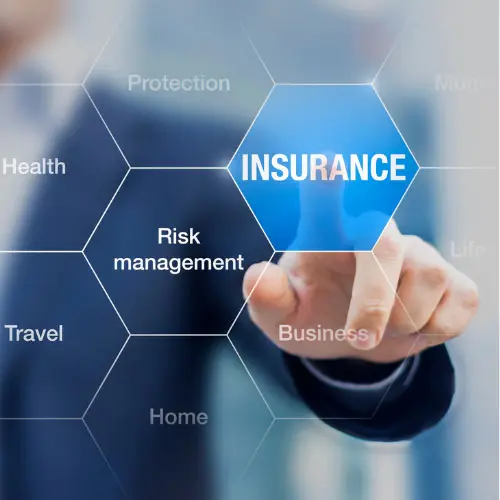 Let’s face it—the Internet is changing everything. Including the insurance industry. Keep abreast of online trends—and learn how our digital age is changing the way agents sell insurance.
 -
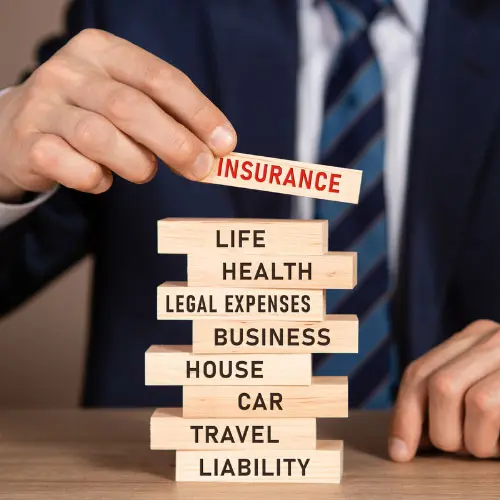 There are risks to every business—including insurance. As an agent, forewarned is forearmed. This course provides an overview of the types of protections out there that protect consumers, agents, and companies against risk.
 -

Flood Insurance Made Simple
This comprehensive course delves into the intricacies of National Flood Insurance Program (NFIP) coverage, offering insurance agents invaluable...$19.95 This comprehensive course delves into the intricacies of National Flood Insurance Program (NFIP) coverage, offering insurance agents invaluable insights to bolster their expertise in flood insurance. From understanding the mechanics of NFIP coverage to navigating eligibility rules and underwriting tips, this course equips agents with the knowledge necessary to provide top-notch service to clients. Agents will explore crucial topics such as waiting periods, lowest floor guidelines, and evidence of insurance, gaining a deep understanding of NFIP policies and procedures.
 To practice ethically in today’s insurance market, you need more than good intentions. You need the specific tools and knowledge necessary to recognize and resolve ethical dilemmas with integrity—and in full compliance with regulations set forth by the industry and the government. This course satisfies ethics continuing education requirements for Life and Health as well as Property / Casualty agents and producers in most states (some states still require the ethics course to be taken in a classroom).
 A claim has a huge impact on the life of an insured—as well as his insurance agent. As an agent, it’s your job to make sure your customers are informed about any gaps in coverage that may increase their exposure to risk. You’ll also need to manage that risk, to reduce the chances that a claim will occur.
 Workers’ compensation insurance is good for both employees and employers. It protects employees from loss of wages in case of on-the-job injury; and it can also protect employers from potentially debilitating lawsuits. Most states require companies to carry workers’ comp, and state laws dictate the details of policies.
 Property and casualty insurance safeguards personal and business property from damage, destruction—and litigation. It’s a crucial element of our society today—and plays a key role in protecting individuals and companies from financial disaster due to unexpected damage to expensive property. This course in Property and Casualty insurance gives you a thorough overview of how P&C insurance works.
NAIC 8hr LTC Partnership Training
This course is a comprehensive program designed for insurance professionals to enhance their understanding of long-term care insurance....$29.95This course is a comprehensive program designed for insurance professionals to enhance their understanding of long-term care insurance. This course covers a wide range of topics, including the nature of long-term care services, the associated costs, available payment options, and state and federal regulations governing long-term care insurance. With the aging population and increasing demand for long-term care, this course is essential for agents seeking to stay current on policy offerings and how they relate to Medicaid and other public programs. Together, life and health insurance are a huge part of the insurance industry as a whole—and a key part of our society’s safety net. As an insurance agent, you’ll sell life and health insurance to businesses large and small as well as individuals. Life and health insurance sales can be highly rewarding—and profitable.
 Commercial property insurance protects businesses against loss. With commercial property insurance, losing a major piece of property won’t mean the end of the business—protecting commerce as well as jobs. As a commercial lines agent selling property insurance, you play a major role in helping companies protect their assets—and the economy as a whole.
 As an insurance agent selling commercial casualty insurance, you help companies protect themselves from legal liability for losses caused by injury or damage to the property of others. You help companies protect their assets in the case of unfortunate accidents—and ensure there’s enough money to pay lawful claims. Casualty insurance is an important part of commercial lines insurance—and this course will give you an in-depth understanding of how it works.
Flood Insurance Made Simple
This comprehensive course delves into the intricacies of National Flood Insurance Program (NFIP) coverage, offering insurance agents invaluable...$19.95This comprehensive course delves into the intricacies of National Flood Insurance Program (NFIP) coverage, offering insurance agents invaluable insights to bolster their expertise in flood insurance. From understanding the mechanics of NFIP coverage to navigating eligibility rules and underwriting tips, this course equips agents with the knowledge necessary to provide top-notch service to clients. Agents will explore crucial topics such as waiting periods, lowest floor guidelines, and evidence of insurance, gaining a deep understanding of NFIP policies and procedures.
To practice ethically in today’s insurance market, you need more than good intentions. You need the specific tools and knowledge necessary to recognize and resolve ethical dilemmas with integrity—and in full compliance with regulations set forth by the industry and the government. This course satisfies ethics continuing education requirements for Life and Health as well as Property / Casualty agents and producers in most states (some states still require the ethics course to be taken in a classroom).
4hr Long Term Care Ongoing Training
Long Term Care Ongoing Training considers the nature of long term care, the forms in which it may...$19.95Long Term Care Ongoing Training considers the nature of long term care, the forms in which it may be delivered, the risk of needing such care, the costs of long term care, the sources available to pay long term care costs and the features of long term care insurance. It is intended to meet the four-hour long-term care training requirement to enable an agent to sell long term care insurance.
4hr Annuity & Best Interest Training
Your course was built to provide you with quality continuing education for meeting Washington state CE Annuity Suitability...$19.95Your course was built to provide you with quality continuing education for meeting Washington state CE Annuity Suitability 4-Hour requirements. This course focuses on the specialized area of Annuities with special attention to the various types of annuities and issues specific to states in the world of accumulation through annuities. It highlights distribution opportunities and tax consequences for withdrawals that are a fundamental component of annuity accumulation programs.
Commercial property insurance protects businesses against loss. With commercial property insurance, losing a major piece of property won’t mean the end of the business—protecting commerce as well as jobs. As a commercial lines agent selling property insurance, you play a major role in helping companies protect their assets—and the economy as a whole.
As an insurance agent selling commercial casualty insurance, you help companies protect themselves from legal liability for losses caused by injury or damage to the property of others. You help companies protect their assets in the case of unfortunate accidents—and ensure there’s enough money to pay lawful claims. Casualty insurance is an important part of commercial lines insurance—and this course will give you an in-depth understanding of how it works.
Flood Insurance Made Simple
This comprehensive course delves into the intricacies of National Flood Insurance Program (NFIP) coverage, offering insurance agents invaluable...$19.95This comprehensive course delves into the intricacies of National Flood Insurance Program (NFIP) coverage, offering insurance agents invaluable insights to bolster their expertise in flood insurance. From understanding the mechanics of NFIP coverage to navigating eligibility rules and underwriting tips, this course equips agents with the knowledge necessary to provide top-notch service to clients. Agents will explore crucial topics such as waiting periods, lowest floor guidelines, and evidence of insurance, gaining a deep understanding of NFIP policies and procedures.
To practice ethically in today’s insurance market, you need more than good intentions. You need the specific tools and knowledge necessary to recognize and resolve ethical dilemmas with integrity—and in full compliance with regulations set forth by the industry and the government. This course satisfies ethics continuing education requirements for Life and Health as well as Property / Casualty agents and producers in most states (some states still require the ethics course to be taken in a classroom). No matter what type of insurance you sell, understanding the policy’s terms, conditions, and exclusions allows you to give more insightful advice to your clients—and become a valuable resource to both business and individual customers. You are not required to discuss every possible situation which might arise and whether that situation would be covered under the policy, but you must inform clients when the policy does not cover a particular risk about which they asked. In this course, you’ll review some of the basic components of four common insurance policies: auto insurance, homeowners insurance, personal umbrella insurance, and workers’ compensation insurance.
 Whether it’s to complete customer deliveries, transport employees, or perform essential functions out of the office, every business needs a vehicle. And that means most companies need auto insurance. The commercial auto policy is designed to protect against risks encountered by business vehicles—and it can cover everything from the boss’s company car to a fleet of delivery trucks.
 Mold is a subset of fungus (so, a sort of genetic “cousin” to mushrooms) that can grow on almost any substance, as long as water, oxygen and some form of organic nutrient are present. There are thousands of different types of mold and humans normally encounter them every day. There are many different species of mold that grow in homes, office buildings, and other places where people live and work.
 Everybody needs health insurance—but it’s not exactly easy to buy. In addition to the expense, it’s not easy to choose from the maze of options presented to consumers—from private insurance to government programs, from indemnity plans to PPO’s and HMO’s. As a Life and Health producer, you provide a valuable service in helping your corporate and individual customers navigate the wide range of options to find a solution that’s both appropriate and affordable.
Courses are developed by industry experts and cover a wide range of state-mandated and general topics, and we’re more affordable than traditional classes and many other online providers!
Quick Links
My Account
Company
©2026 FastrackCE, LLC. All rights reserved.
Go to Top
State-Approved Insurance CE · Instant Scoring · Fast Credit Reporting