-
 There are over 17 million automobiles on the road in Texas today, and every one of them needs auto insurance. As an insurance agent selling auto insurance, you’ll help clients choose the right policy—and handle any claims that arise. This course gives you an in-depth look at the way an auto policy works—including typical policy inclusions and riders, legislative issues and current market trends.
 -
 Nonqualified Plans examines the four popular nonqualified selective benefit plans being sold in the marketplace. The course considers the nature and use of: Compliance and ethical guidelines are applied to the reviewing of sales tools, including the agent’s: Split dollar plans Executive bonus plans Deferred compensation plans Group carve-out plans In addition to the agent’s sales tools, the sales process itself is examined with the intent of ensuring its compliance with legal and ethical standards. The areas in which ethical or compliances lapses may occur are detailed in each of the steps of the sales process.
 -

WA LTC Refresher 4 Hour Course
Keep up with the constantly changing Medicaid regulatory landscape—and the challenges of the continuing care marketplace—with this refresher...$19.95 Keep up with the constantly changing Medicaid regulatory landscape—and the challenges of the continuing care marketplace—with this refresher course on Washington Long-Term Care insurance. This course is approved for 4 hours of LTC continuing education in the state of Washington. It provides all the information you need to offer your LTC customers the most up-to-date information and expertise.
4hr Annuity & Best Interest Training
This course examines the annuity concept and explains what an annuity is and how it works. The mechanics...$19.95This course examines the annuity concept and explains what an annuity is and how it works. The mechanics of the accumulation and payout phases of an annuity are examined and sample calculations are discussed. An explanation of settlement options and their appropriate uses are covered. Accidents and injuries are difficult to predict—and damage awards can be astronomical. Because of this, general liability insurance is perhaps the most important line of commercial insurance a business can purchase. It protects your business clients from multi-million dollar judgments that could seriously disrupt, if not completely bankrupt, company operations.
 Everybody needs health insurance—but it’s not exactly easy to buy. In addition to the expense, it’s not easy to choose from the maze of options presented to consumers—from private insurance to government programs, from indemnity plans to PPO’s and HMO’s. As a Life and Health producer, you provide a valuable service in helping your corporate and individual customers navigate the wide range of options to find a solution that’s both appropriate and affordable.
 As an insurance agent selling commercial casualty insurance, you need to have some knowledge of the risk management process in order to provide the appropriate insurance coverage and/or offer alternative solutions. This additional knowledge brings value to the table. The typical risk management process includes identifying risk, performing qualitative and quantitative risk analysis, and incorporating risk control techniques.
Anti-Money Laundering Today
Agents in all areas of the Insurance industry, Life, Health, Accident, Property, & Casualty handle money for a...$19.95Agents in all areas of the Insurance industry, Life, Health, Accident, Property, & Casualty handle money for a living every day from individual and businesses. Like bankers and stock brokers, all insurance licensees are bound by the Patriot Act to be diligent in their daily dealings with customers and clients. They are required to be aware of Money Laundering and the huge impact it has on our financial systems here at home in America as well as all around the world. Estate Tax Planning examines the various aspects of planning for the estate tax liability. The course begins with a discussion of the genesis of estate taxation in English common law and continues with an examination of the estate and its administration. The text serves as an introduction to the issues of estate settlement and includes a discussion of the probate estate and the federal gross estate.
 To practice ethically in today’s insurance market, you need more than good intentions. You need the specific tools and knowledge necessary to recognize and resolve ethical dilemmas with integrity—and in full compliance with regulations set forth by the industry and the government. This course satisfies ethics continuing education requirements for Life and Health as well as Property / Casualty agents and producers in most states (some states still require the ethics course to be taken in a classroom).
Flood Insurance Made Simple
This comprehensive course delves into the intricacies of National Flood Insurance Program (NFIP) coverage, offering insurance agents invaluable...$19.95This comprehensive course delves into the intricacies of National Flood Insurance Program (NFIP) coverage, offering insurance agents invaluable insights to bolster their expertise in flood insurance. From understanding the mechanics of NFIP coverage to navigating eligibility rules and underwriting tips, this course equips agents with the knowledge necessary to provide top-notch service to clients. Agents will explore crucial topics such as waiting periods, lowest floor guidelines, and evidence of insurance, gaining a deep understanding of NFIP policies and procedures.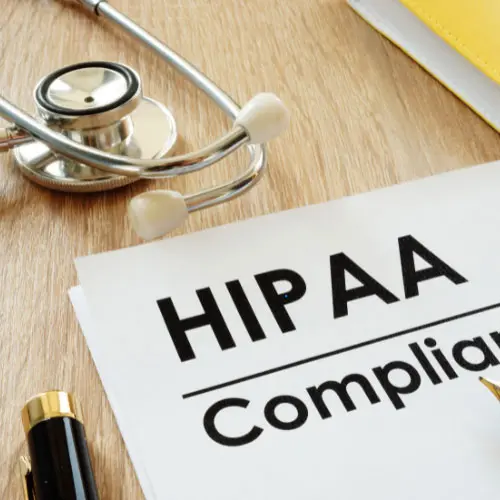 HIPAA: The Significant Provisions examines the Health Insurance Portability and Accountability Act. It begins with a consideration of the genesis of its provisions in the National Uniform Billing Committee and in earlier attempts to impose healthcare reform. The course discusses the changes made in both group health insurance plans and individual health insurance plans with respect to the imposition of pre-existing conditions exclusions and the insurer’s ability to decline to offer coverage.
 Accordingly, the course provides information concerning the rules applicable to the ability of a group health plan or a health insurer offering group or individual health insurance coverage to exclude coverage for pre-existing conditions and the effective dates of such rules. In addition, the course discusses the rules governing the ability of a group health plan or a health insurer offering group or individual health insurance coverage to impose dollar limits on essential health benefits. The limited ability of a group health plan or health insurer offering group or individual health insurance coverage to rescind such coverage is also addressed.
 White-collar crime and insurance fraud pose significant financial and reputational risks to individuals, businesses, and the insurance industry. Understanding the nature of these crimes, their legal consequences, and methods for prevention is crucial for insurance professionals. This course provides a comprehensive analysis of various white-collar crimes, including mail and wire fraud, money laundering, and tax evasion, with a specific focus on insurance fraud.
 This course provides a comprehensive exploration of the complexities surrounding life insurance policies, claims processes, and associated legal and financial considerations. It delves into topics such as insurable interest, misrepresentation in applications, settlement options, accelerated benefits, and tax implications, equipping participants with the knowledge to navigate and manage life insurance claims effectively. By addressing key scenarios like beneficiary disputes, fraud detection, and estate tax inclusion, the course fosters a deeper understanding of how life insurance operates within broader legal and economic frameworks.
 Life insurance provides a valuable safety net to millions of families throughout the US—protecting them from financial disaster in the event of the loss of a loved one. As a Life and Health insurance producer, you give your insureds the peace of mind that comes with knowing their families will be protected in the event of tragedy. This course gives you in-depth information about life insurance—how it works, typical policy provisions, and laws and regulations affecting its sale and operation.
 You gain a deeper perspective on how underwriting decisions shape life insurance coverage and claims handling. This course sharpens your ability to identify and assess insurable interest, interpret policy clauses, and recognize the implications of misrepresentation, moral hazards, and adverse selection. You’ll better understand how underwriters determine risk classifications, apply mortality data, and use premium determination formulas to maintain the insurer’s solvency and fairness in pricing.
 Here's a course with an in depth look at what pet insurance is, how it works, and why it might be a worthwhile investment for pet owners. We also take a look at the NAIC Model Pet Insurance Act and California regulations for a more formal approach other states might adopt. Pet insurance is an essential tool for responsible pet ownership.
 This course offers a comprehensive exploration of the foundational elements of BOPs, a pivotal insurance product for small to medium-sized enterprises. Participants will gain insights into property and liability coverages, eligibility criteria, underwriting considerations, and endorsements tailored to various business needs. The course also delves into critical aspects such as policy forms, property exclusions, additional coverages, and rating methodologies, empowering insurance professionals to assess and address client-specific risks effectively.
 People insure their cars, their homes, and their valuables every day. But many don’t realize the need to insure what is probably their most valuable asset—their ability to earn money. But in the event of disability, it’s possible to lose the ability to work just when it’s needed more than ever—to pay for expensive medical care.
Accidents and injuries are difficult to predict—and damage awards can be astronomical. Because of this, general liability insurance is perhaps the most important line of commercial insurance a business can purchase. It protects your business clients from multi-million dollar judgments that could seriously disrupt, if not completely bankrupt, company operations.
Everybody needs health insurance—but it’s not exactly easy to buy. In addition to the expense, it’s not easy to choose from the maze of options presented to consumers—from private insurance to government programs, from indemnity plans to PPO’s and HMO’s. As a Life and Health producer, you provide a valuable service in helping your corporate and individual customers navigate the wide range of options to find a solution that’s both appropriate and affordable.
As an insurance agent selling commercial casualty insurance, you need to have some knowledge of the risk management process in order to provide the appropriate insurance coverage and/or offer alternative solutions. This additional knowledge brings value to the table. The typical risk management process includes identifying risk, performing qualitative and quantitative risk analysis, and incorporating risk control techniques.
People insure their cars, their homes, and their valuables every day. But many don’t realize the need to insure what is probably their most valuable asset—their ability to earn money. But in the event of disability, it’s possible to lose the ability to work just when it’s needed more than ever—to pay for expensive medical care.
Accidents and injuries are difficult to predict—and damage awards can be astronomical. Because of this, general liability insurance is perhaps the most important line of commercial insurance a business can purchase. It protects your business clients from multi-million dollar judgments that could seriously disrupt, if not completely bankrupt, company operations.
Everybody needs health insurance—but it’s not exactly easy to buy. In addition to the expense, it’s not easy to choose from the maze of options presented to consumers—from private insurance to government programs, from indemnity plans to PPO’s and HMO’s. As a Life and Health producer, you provide a valuable service in helping your corporate and individual customers navigate the wide range of options to find a solution that’s both appropriate and affordable.
As an insurance agent selling commercial casualty insurance, you need to have some knowledge of the risk management process in order to provide the appropriate insurance coverage and/or offer alternative solutions. This additional knowledge brings value to the table. The typical risk management process includes identifying risk, performing qualitative and quantitative risk analysis, and incorporating risk control techniques.
Anti-Money Laundering Today
Since the economic crisis, the insurance agency faces more stringent regulatory scrutiny—and insurance companies are expected to comply...$19.95Since the economic crisis, the insurance agency faces more stringent regulatory scrutiny—and insurance companies are expected to comply with AML and OFAC regulations. Money laundering allows criminals to hide their profits from illegal activities by making legal purchases and transactions. Globally, worldwide money laundering activities add up to over $1 trillion per year—encouraging corruption, distorting economic data, aggravating social problems, and allowing criminals and terrorists to finance their activities. Whether it’s to complete customer deliveries, transport employees, or perform essential functions out of the office, every business needs a vehicle. And that means most companies need auto insurance. The commercial auto policy is designed to protect against risks encountered by business vehicles—and it can cover everything from the boss’s company car to a fleet of delivery trucks.
Flood Insurance Made Simple
This comprehensive course delves into the intricacies of National Flood Insurance Program (NFIP) coverage, offering insurance agents invaluable...$19.95This comprehensive course delves into the intricacies of National Flood Insurance Program (NFIP) coverage, offering insurance agents invaluable insights to bolster their expertise in flood insurance. From understanding the mechanics of NFIP coverage to navigating eligibility rules and underwriting tips, this course equips agents with the knowledge necessary to provide top-notch service to clients. Agents will explore crucial topics such as waiting periods, lowest floor guidelines, and evidence of insurance, gaining a deep understanding of NFIP policies and procedures.
HIPAA: The Significant Provisions examines the Health Insurance Portability and Accountability Act. It begins with a consideration of the genesis of its provisions in the National Uniform Billing Committee and in earlier attempts to impose healthcare reform. The course discusses the changes made in both group health insurance plans and individual health insurance plans with respect to the imposition of pre-existing conditions exclusions and the insurer’s ability to decline to offer coverage.
This course provides a comprehensive exploration of the complexities surrounding life insurance policies, claims processes, and associated legal and financial considerations. It delves into topics such as insurable interest, misrepresentation in applications, settlement options, accelerated benefits, and tax implications, equipping participants with the knowledge to navigate and manage life insurance claims effectively. By addressing key scenarios like beneficiary disputes, fraud detection, and estate tax inclusion, the course fosters a deeper understanding of how life insurance operates within broader legal and economic frameworks.
Life insurance provides a valuable safety net to millions of families throughout the US—protecting them from financial disaster in the event of the loss of a loved one. As a Life and Health insurance producer, you give your insureds the peace of mind that comes with knowing their families will be protected in the event of tragedy. This course gives you in-depth information about life insurance—how it works, typical policy provisions, and laws and regulations affecting its sale and operation.
Here's a course with an in depth look at what pet insurance is, how it works, and why it might be a worthwhile investment for pet owners. We also take a look at the NAIC Model Pet Insurance Act and California regulations for a more formal approach other states might adopt. Pet insurance is an essential tool for responsible pet ownership.
This course offers a comprehensive exploration of the foundational elements of BOPs, a pivotal insurance product for small to medium-sized enterprises. Participants will gain insights into property and liability coverages, eligibility criteria, underwriting considerations, and endorsements tailored to various business needs. The course also delves into critical aspects such as policy forms, property exclusions, additional coverages, and rating methodologies, empowering insurance professionals to assess and address client-specific risks effectively. Standard personal lines insurance is supposed to protect owners of homes, automobiles, watercraft, and other assets in case of loss or costly damage. But the standard liability policy is sometimes not enough coverage—leaving insureds exposed to serious risk. That’s where an umbrella policy comes in—it provides excess liability coverage to cover large losses and risks excluded by standard policies.
4hr Long Term Care Ongoing Training
Long Term Care Ongoing Training considers the nature of long term care, the forms in which it may...$19.95Long Term Care Ongoing Training considers the nature of long term care, the forms in which it may be delivered, the risk of needing such care, the costs of long term care, the sources available to pay long term care costs and the features of long term care insurance. It is intended to meet the four-hour long-term care training requirement to enable an agent to sell long term care insurance.
To practice ethically in today’s insurance market, you need more than good intentions. You need the specific tools and knowledge necessary to recognize and resolve ethical dilemmas with integrity—and in full compliance with regulations set forth by the industry and the government. This course satisfies ethics continuing education requirements for Life and Health as well as Property / Casualty agents and producers in most states (some states still require the ethics course to be taken in a classroom).
Flood Insurance Made Simple
This comprehensive course delves into the intricacies of National Flood Insurance Program (NFIP) coverage, offering insurance agents invaluable...$19.95This comprehensive course delves into the intricacies of National Flood Insurance Program (NFIP) coverage, offering insurance agents invaluable insights to bolster their expertise in flood insurance. From understanding the mechanics of NFIP coverage to navigating eligibility rules and underwriting tips, this course equips agents with the knowledge necessary to provide top-notch service to clients. Agents will explore crucial topics such as waiting periods, lowest floor guidelines, and evidence of insurance, gaining a deep understanding of NFIP policies and procedures.
4hr Long Term Care Ongoing Training
Long Term Care Ongoing Training considers the nature of long term care, the forms in which it may...$19.95Long Term Care Ongoing Training considers the nature of long term care, the forms in which it may be delivered, the risk of needing such care, the costs of long term care, the sources available to pay long term care costs and the features of long term care insurance. It is intended to meet the four-hour long-term care training requirement to enable an agent to sell long term care insurance.
Courses are developed by industry experts and cover a wide range of state-mandated and general topics, and we’re more affordable than traditional classes and many other online providers!
Quick Links
My Account
Company
©2026 FastrackCE, LLC. All rights reserved.
Go to Top
State-Approved Insurance CE · Instant Scoring · Fast Credit Reporting