
-
 The risks and opportunities which digital technologies, devices, and media bring us are obvious. Cyber risk is never a matter purely for the IT team, although they clearly play a vital role. An organization’s risk management function needs a thorough understanding of the constantly evolving risks as well as the practical tools and techniques available to address them.
 -
 Accidents and injuries are difficult to predict—and damage awards can be astronomical. Because of this, general liability insurance is perhaps the most important line of commercial insurance a business can purchase. It protects your business clients from multi-million dollar judgments that could seriously disrupt, if not completely bankrupt, company operations.
 -
 Everybody needs health insurance—but it’s not exactly easy to buy. In addition to the expense, it’s not easy to choose from the maze of options presented to consumers—from private insurance to government programs, from indemnity plans to PPO’s and HMO’s. As a Life and Health producer, you provide a valuable service in helping your corporate and individual customers navigate the wide range of options to find a solution that’s both appropriate and affordable.
 -
 This course provides an in-depth analysis of Medicare-related fraud and abuse within the context of the healthcare and insurance industries. The course meticulously examines the intricacies of Medicare's regulatory framework, including laws like the False Claims Act and the Stark Law, and explores case studies such as U.S.
 -
 Whether it’s to complete customer deliveries, transport employees, or perform essential functions out of the office, every business needs a vehicle. And that means most companies need auto insurance. The commercial auto policy is designed to protect against risks encountered by business vehicles—and it can cover everything from the boss’s company car to a fleet of delivery trucks.
 -
 No matter what type of insurance you sell, understanding the policy’s terms, conditions, and exclusions allows you to give more insightful advice to your clients—and become a valuable resource to both business and individual customers. You are not required to discuss every possible situation which might arise and whether that situation would be covered under the policy, but you must inform clients when the policy does not cover a particular risk about which they asked. In this course, you’ll review some of the basic components of four common insurance policies: auto insurance, homeowners insurance, personal umbrella insurance, and workers’ compensation insurance.
 -
 Ethics for the Insurance Practitioner examines the nature and scope of ethics, as the foundation of integrity and honesty, and its relationship to compliance in the insurance practice. It considers the tools and practices used in the sale of insurance, and it applies the principles of ethics and compliance to them. The nature and consequences of misleading sales practices are discussed.
 -
 To practice ethically in today’s insurance market, you need more than good intentions. You need the specific tools and knowledge necessary to recognize and resolve ethical dilemmas with integrity—and in full compliance with regulations set forth by the industry and the government. This course satisfies ethics continuing education requirements for Life and Health as well as Property / Casualty agents and producers in most states (some states still require the ethics course to be taken in a classroom).
 -

Flood Insurance Made Simple
This comprehensive course delves into the intricacies of National Flood Insurance Program (NFIP) coverage, offering insurance agents invaluable...$19.95 This comprehensive course delves into the intricacies of National Flood Insurance Program (NFIP) coverage, offering insurance agents invaluable insights to bolster their expertise in flood insurance. From understanding the mechanics of NFIP coverage to navigating eligibility rules and underwriting tips, this course equips agents with the knowledge necessary to provide top-notch service to clients. Agents will explore crucial topics such as waiting periods, lowest floor guidelines, and evidence of insurance, gaining a deep understanding of NFIP policies and procedures.
 Dive into the core principles of safeguarding commercial assets with our Fundamentals of Commercial Property course. As an insurance professional, you'll master protecting businesses from financial repercussions due to property damage or injuries on their premises. Explore the intricate workings of commercial lines insurance, focusing on casualty insurance's pivotal role.
 Commercial property insurance protects businesses against loss. With commercial property insurance, losing a major piece of property won’t mean the end of the business—protecting commerce as well as jobs. As a commercial lines agent selling property insurance, you play a major role in helping companies protect their assets—and the economy as a whole.
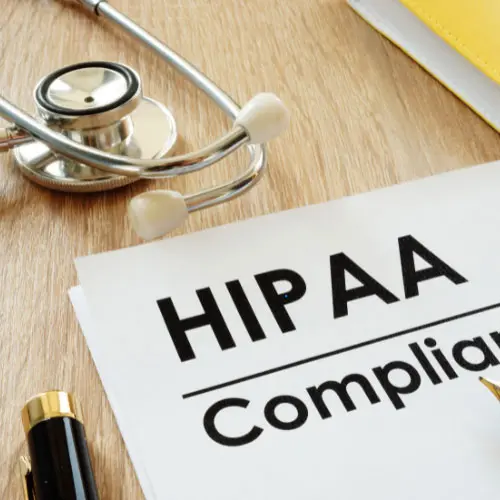 HIPAA: The Significant Provisions examines the Health Insurance Portability and Accountability Act. It begins with a consideration of the genesis of its provisions in the National Uniform Billing Committee and in earlier attempts to impose healthcare reform. The course discusses the changes made in both group health insurance plans and individual health insurance plans with respect to the imposition of pre-existing conditions exclusions and the insurer’s ability to decline to offer coverage.
Courses are developed by industry experts and cover a wide range of state-mandated and general topics, and we’re more affordable than traditional classes and many other online providers!
Quick Links
My Account
Company
©2026 FastrackCE, LLC. All rights reserved.