-
 White-collar crime and insurance fraud pose significant financial and reputational risks to individuals, businesses, and the insurance industry. Understanding the nature of these crimes, their legal consequences, and methods for prevention is crucial for insurance professionals. This course provides a comprehensive analysis of various white-collar crimes, including mail and wire fraud, money laundering, and tax evasion, with a specific focus on insurance fraud.
 -
 Insurance protects individuals and businesses from the financial consequences of a major event—such as an accident, a natural disaster, a health problem, or the death of a wage earner. Without insurance, a single unexpected event could wipe out everything a person or organization has built—leading to bankruptcy, foreclosure, and financial disaster. This course gives a comprehensive overview of the insurance industry as a whole—with an in-depth look at Life and Health as well as Property and Casualty lines of insurance.
 -
 Individual Retirement Accounts examines the rules governing traditional and Roth IRAs, Education IRAs (now called Coverdell Education Savings Accounts), simplified employee pensions and SIMPLEs. With respect to traditional IRAs, the course considers the issues of eligibility, contribution limits and investment vehicles. Tax treatment of traditional IRA funds is discussed, including the treatment of contributions, accumulations, transfers and distributions.
 -
 As an insurance agent selling homeowners insurance in the state of California, you play a vital role in protecting the residents of our state from the financial fall-out that results from the loss of a home. California is home to almost 38 million people—and with its beautiful weather, gorgeous beaches, stunning mountain landscapes, and excellent quality of life, it’s no wonder so many choose to live here. But there are some drawbacks to living in the Sunshine State—chief among them, natural disasters.
 -
 Accordingly, the course provides information concerning the rules applicable to the ability of a group health plan or a health insurer offering group or individual health insurance coverage to exclude coverage for pre-existing conditions and the effective dates of such rules. In addition, the course discusses the rules governing the ability of a group health plan or a health insurer offering group or individual health insurance coverage to impose dollar limits on essential health benefits. The limited ability of a group health plan or health insurer offering group or individual health insurance coverage to rescind such coverage is also addressed.
 -
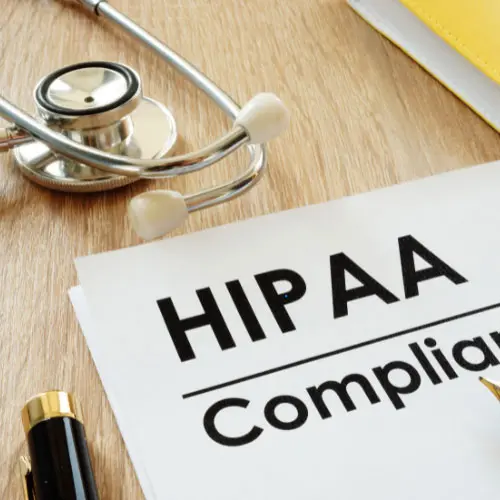 HIPAA: The Significant Provisions examines the Health Insurance Portability and Accountability Act. It begins with a consideration of the genesis of its provisions in the National Uniform Billing Committee and in earlier attempts to impose healthcare reform. The course discusses the changes made in both group health insurance plans and individual health insurance plans with respect to the imposition of pre-existing conditions exclusions and the insurer’s ability to decline to offer coverage.
 -
 Commercial property insurance protects businesses against loss. With commercial property insurance, losing a major piece of property won’t mean the end of the business—protecting commerce as well as jobs. As a commercial lines agent selling property insurance, you play a major role in helping companies protect their assets—and the economy as a whole.
 -
 As an insurance agent selling commercial casualty insurance, you help companies protect themselves from legal liability for losses caused by injury or damage to the property of others. You help companies protect their assets in the case of unfortunate accidents—and ensure there’s enough money to pay lawful claims. Casualty insurance is an important part of commercial lines insurance—and this course will give you an in-depth understanding of how it works.
 -
 To practice ethically in today’s insurance market, you need more than good intentions. You need the specific tools and knowledge necessary to recognize and resolve ethical dilemmas with integrity—and in full compliance with regulations set forth by the industry and the government. This course satisfies ethics continuing education requirements for Life and Health as well as Property / Casualty agents and producers in most states (some states still require the ethics course to be taken in a classroom).
 -
 Estate Tax Planning examines the various aspects of planning for the estate tax liability. The course begins with a discussion of the genesis of estate taxation in English common law and continues with an examination of the estate and its administration. The text serves as an introduction to the issues of estate settlement and includes a discussion of the probate estate and the federal gross estate.
 -
 No matter what type of insurance you sell, understanding the policy’s terms, conditions, and exclusions allows you to give more insightful advice to your clients—and become a valuable resource to both business and individual customers. You are not required to discuss every possible situation which might arise and whether that situation would be covered under the policy, but you must inform clients when the policy does not cover a particular risk about which they asked. In this course, you’ll review some of the basic components of four common insurance policies: auto insurance, homeowners insurance, personal umbrella insurance, and workers’ compensation insurance.
 -

Anti-Money Laundering Today
Since the economic crisis, the insurance agency faces more stringent regulatory scrutiny—and insurance companies are expected to comply...$19.95 Since the economic crisis, the insurance agency faces more stringent regulatory scrutiny—and insurance companies are expected to comply with AML and OFAC regulations. Money laundering allows criminals to hide their profits from illegal activities by making legal purchases and transactions. Globally, worldwide money laundering activities add up to over $1 trillion per year—encouraging corruption, distorting economic data, aggravating social problems, and allowing criminals and terrorists to finance their activities.
 As an insurance agent selling commercial casualty insurance, you need to have some knowledge of the risk management process in order to provide the appropriate insurance coverage and/or offer alternative solutions. This additional knowledge brings value to the table. The typical risk management process includes identifying risk, performing qualitative and quantitative risk analysis, and incorporating risk control techniques.
 This course provides an in-depth analysis of Medicare-related fraud and abuse within the context of the healthcare and insurance industries. The course meticulously examines the intricacies of Medicare's regulatory framework, including laws like the False Claims Act and the Stark Law, and explores case studies such as U.S.
 Everybody needs health insurance—but it’s not exactly easy to buy. In addition to the expense, it’s not easy to choose from the maze of options presented to consumers—from private insurance to government programs, from indemnity plans to PPO’s and HMO’s. As a Life and Health producer, you provide a valuable service in helping your corporate and individual customers navigate the wide range of options to find a solution that’s both appropriate and affordable.
 Accidents and injuries are difficult to predict—and damage awards can be astronomical. Because of this, general liability insurance is perhaps the most important line of commercial insurance a business can purchase. It protects your business clients from multi-million dollar judgments that could seriously disrupt, if not completely bankrupt, company operations.
 The risks and opportunities which digital technologies, devices, and media bring us are obvious. Cyber risk is never a matter purely for the IT team, although they clearly play a vital role. An organization’s risk management function needs a thorough understanding of the constantly evolving risks as well as the practical tools and techniques available to address them.
 When a home, car, or other valuable property is damaged or lost, it can have a devastating impact on the owner. Personal lines insurance provides individuals with an important safety net against such loss. As a personal lines agent, you’ll help people protect themselves financially against accidents, theft, natural disasters, and other events that can have serious financial consequences.
 Without commercial insurance, big business couldn’t exist. Commercial insurance acts as an economic lubricant, allowing businesses to recover from losses that would ordinarily bankrupt them. As a commercial lines agent specializing in Property and Casualty insurance, you help businesses safeguard their assets—and preserve their operations in the case of a major setback.
WI Long Term Care Refresher
The Medicaid regulatory landscape is constantly changing—and so is the market for long-term care. Keep your knowledge up-to-date,...$19.95The Medicaid regulatory landscape is constantly changing—and so is the market for long-term care. Keep your knowledge up-to-date, and offer your customers the most current expertise possible regarding Wisconsin Medicaid and the LTC Partnership Program—with this course. In Wisconsin, the number of people needing long-term care is expected to rise—and with it, the demand for exhaustive LTC insurance coverage. Workers’ compensation insurance is good for both employees and employers. It protects employees from loss of wages in case of on-the-job injury; and it can also protect employers from potentially debilitating lawsuits. Most states require companies to carry workers’ comp, and state laws dictate the details of policies.
 Property and casualty insurance safeguards personal and business property from damage, destruction—and litigation. It’s a crucial element of our society today—and plays a key role in protecting individuals and companies from financial disaster due to unexpected damage to expensive property. This course in Property and Casualty insurance gives you a thorough overview of how P&C insurance works.
This continuing education course helps insurance agents understand their legal and ethical responsibilities while reducing the risk of malpractice lawsuits. It covers proper sales conduct, conflict management, consumer protection, and coverage suitability, along with essential anti-fraud awareness training. Agents will learn to identify fraud red flags, meet reporting requirements, and protect both clients and themselves from costly mistakes, making it a valuable course for professionals at any experience level.

California 2025 8hr Annuity Training
This 8-hour continuing education course meets California SB 263 requirements and covers the fundamentals of annuity products and...$29.95This 8-hour continuing education course meets California SB 263 requirements and covers the fundamentals of annuity products and regulations. It explores the types, uses, taxation, and key features of annuities, along with suitability standards, ethical sales practices, and the Best Interest rule. The course also addresses requirements for working with senior clients and provides essential knowledge for life insurance licensees to legally sell annuity products.
Courses are developed by industry experts and cover a wide range of state-mandated and general topics, and we’re more affordable than traditional classes and many other online providers!
Quick Links
My Account
Company
©2026 FastrackCE, LLC. All rights reserved.
State-Approved Insurance CE · Instant Scoring · Fast Credit Reporting