-
 Liability coverage protects insureds from legal liability in case of harm caused to others—including bodily injury and damage to property. It plays a big part in most major insurance lines—and it’s a crucial part of business for most insurance agents. This course provides you with an in-depth look at liability coverage.
 -
 Property/casualty insurance is insurance on homes, cars, and businesses. Technically, property insurance protects a person or business with an interest in physical property against its loss or the loss of its income-producing abilities. Casualty insurance mainly protects a person or business against legal liability for losses caused by injury to other people or damage to the property of others.
 -
 According to Investopedia, "a public adjuster is an insurance industry professional whose job is to assist the policyholder in making a claim from an insurance company. They represent the insured rather than the insurer. Independent adjusters and company adjusters work for insurance companies.
 -
 Property and casualty insurance is a billion-dollar business in California. It helps people protect their homes, cars, businesses, and other valuable assets—and in a land of earthquakes, floods, and forest fires, that protection is needed. As a Property and Casualty agent, you play an important role in protecting insureds from financial disaster in case of asset loss or damage.
 -
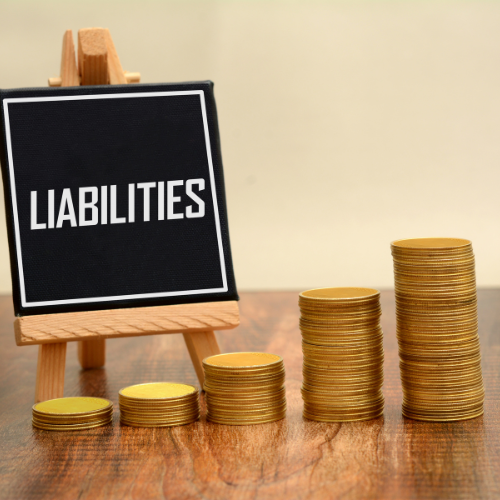 Approximately one in seven agents faces an errors and omissions claim every year. These are serious charges—they threaten your reputation and financial well-being, and they take enormous amounts of time and resources to deal with. Completely fool-proof protection isn’t possible—but there are a few simple steps you can take to greatly reduce your risk.
 -
 This course is designed to meet the variable life insurance training requirements of California Senate Bill SB 263. It provides a comprehensive overview of the structure, features, and regulatory requirements surrounding variable life insurance products. It covers key concepts such as death benefit options (Option A and Option B), cash value accumulation, premium flexibility, and net amount at risk (NAR).
 -
 This course is designed to meet the life insurance training requirements of California Senate Bill SB 263. It examines the available types of individual life insurance policies, including ordinary whole life insurance, limited payment life insurance, single payment life insurance, variable life insurance, non-variable universal life insurance (including indexed universal life insurance), variable universal life insurance, endowments, and disability benefits in individual life insurance policies. It also examines accelerated death benefits, the common provisions and exclusions found in life insurance policies, and life settlements.
 -
 An insurance claim can be a devastating event—for both you and your client. Sure, insurance is designed to cover the costs that arise for insureds in the case of a claim—but the cause of the claim can have a devastating personal and professional impact that can’t be satisfied by a payout. And nobody covers the loss for the agent; claims can have a devastating impact on your business.
 -
 The insurance industry is changing—fast. Online insurance sales are growing, and in ten years, the way you market and sell your insurance products is likely to have changed drastically. The only thing we can say for sure, however, is that no one knows exactly how the industry will change—or what your business will look like in ten years.
 -
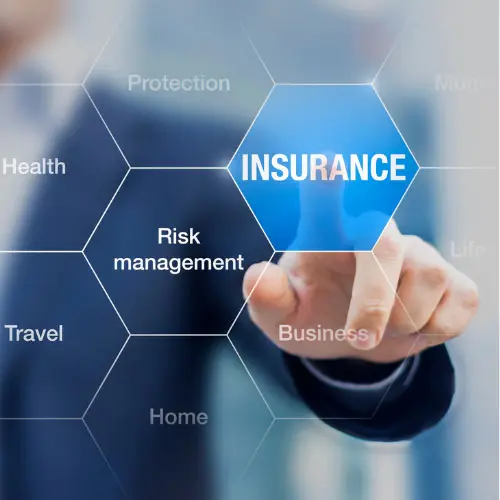 Let’s face it—the Internet is changing everything. Including the insurance industry. Keep abreast of online trends—and learn how our digital age is changing the way agents sell insurance.
 -
 There are risks to every business—including insurance. As an agent, forewarned is forearmed. This course provides an overview of the types of protections out there that protect consumers, agents, and companies against risk.
 -
 Besides providing valuable information and resources for Adjusters and Public Adjusters in California to better serve their clients, this course was developed and is available for Adjusters and Public Adjusters to complete as part of their continuing education requirements. Accurately valuing property to be insured and at claim time should not necessarily fall to the homeowner who has little experience in such matters. This course provides a response to that need as well as an answer to the training required in California on this subject.
 -
 The course offers a comprehensive exploration of the fundamental concepts underpinning the Patient Protection and Affordable Care Act (ACA), with a specific focus on the role and mechanics of health benefit exchanges. It provides in-depth coverage of how the ACA defines and establishes exchanges, their operational frameworks, and their implications for health insurance pricing and accessibility. Additionally, the course examines critical legal provisions, eligibility criteria, and mechanisms designed to promote consumer choice and cost-sharing within these exchanges.
 -
 Effective agency operations depend on the accurate use of an Agency Management System. Every premium collected, commission calculated, claim tracked, carrier reconciled, and policy issued flows through this central platform. When used properly, the system strengthens financial controls, improves reporting accuracy, enhances client service, and reduces exposure to compliance and E&O risk.
 -
 Insurance is a tool for shifting risk to protect the insured. And when it’s put into practice—or disputed—it’s often done through the courts. No matter what type of insurance you sell, you need to know the basics of the laws and regulations that affect your policies.
 -
 The course is designed to provide students with continuing education in the area of ethics. It pays special attention to the various components and issues specific to the world of ethical approaches and behavior in the vast emerging senior marketplace. It enhances the ethical and professional competence of financial and insurance professionals aspiring to make ethics a cornerstone of their personal mission, as well as to fulfill their state continuing education requirements.
 -
 Ethics & Fraud for Adjusters Unethical behaviors and fraud awareness are the keys to this course. The entire course talks about ethics and fraud with a multitude of examples and definitions to sharpen adjusters’ knowledge and awareness in this area, both personal and professional. It details lots of specific acts and a wide variety of fraud, scams, and schemes that are only intended to “rip off” you, me, our families, and friends A review of the table of contents shows that, in seven specific lessons, all the material is designed and intended to contribute to an adjuster’s understanding of the wide expanse of fraud.
 -
 This course provides insurance professionals with a comprehensive understanding of ethics and fraud within the insurance industry, with a focus on California anti-fraud requirements. It examines unethical behaviors, common fraud schemes, and the impact of fraud on consumers, insurers, and the marketplace. You will gain practical insight into how fraud occurs, how it is identified, and how regulatory bodies - such as the California Department of Insurance Fraud Division - investigate and address fraudulent activity.
 -
 Identity Theft The purpose and objective of this portion of theh course is to provide the student with information and insight about the ethical obligation regarding “Identity Theft”, especially as it relates to the potential negative impact on consumers’ financial planning goals and retirement planning issues and objectives. This course provides them with a base of knowledge to allow the student to play an important role to ensure that their clients and prospective clients are aware of how identity theft can adversely affect their financial life, both short and long-term. The presentation sheds considerable general and specific light on this growing problem and solutions.
 -
 Adjusters need to know the ins and outs of commecial insurance in order to properly and professionally adjust claims. Whether individuals are contemplating starting a new business, are a new business owner, or have owned a business for many years, commercial insurance can be one of the most important ongoing financial investments they make in the life of their company. Operating a business is extremely challenging without having to worry about suffering significant financial loss due to unforeseen circumstances.
 -
 A claim has a huge impact on the life of an insured—as well as his insurance agent. As an agent, it’s your job to make sure your customers are informed about any gaps in coverage that may increase their exposure to risk. You’ll also need to manage that risk, to reduce the chances that a claim will occur.
 -
 Automobile insurance is one of the most complicated types of personal lines insurance out there. It’s one of the only types of property insurance that considers the owner’s physical condition and lifestyle in determining insurability. And it’s a highly profitable line of business—because everyone who has a car needs insurance.
 -
 This 3-hour course complies with California continuing education requirements for Homeowners insurance, and it’s designed to give you a solid understanding of home valuation methodologies useful in any Homeowners insurance sales practice. Homeowners insurance depends on an accurate assessment of a home’s value in order to determine appropriate compensation for damage or loss. As an insurance agent selling Homeowners insurance, home valuation is a crucial skill—and necessary to determine the right level of coverage and compensation for customers.
 -
 Insurance professionals are concerned about their social responsibility and the role of ethics in their business endeavors. Since the business of insurance is based upon a mutual trust between producers and customers, this trust must be founded upon the highest ethical standards. There are certain accepted standards of behavior and activity which are expected from insurers and their licensed agents with regard to ethical handling of money and the needs of our clients.
State-Approved Insurance CE · Instant Scoring · Fast Credit Reporting
Courses are developed by industry experts and cover a wide range of state-mandated and general topics, and we’re more affordable than traditional classes and many other online providers!
Quick Links
My Account
Company
©2026 FastrackCE, LLC. All rights reserved.